12 Facts About Piaget Watches: Swiss Luxury Excellence
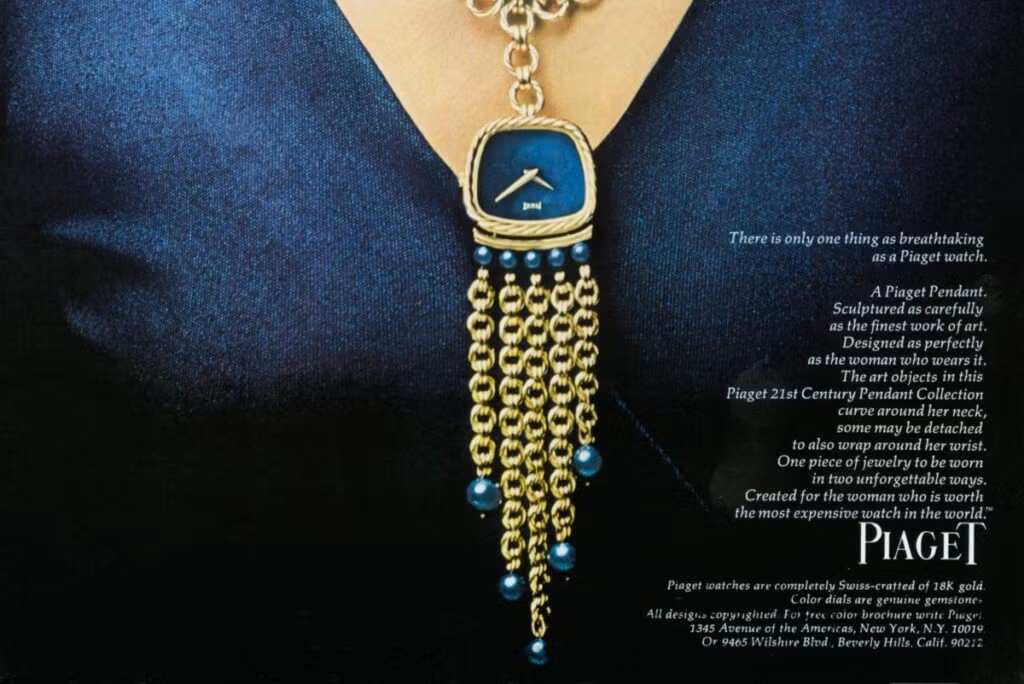
Piaget Watches: History, Collections and Swiss Luxury Excellence
Founded in 1874, Piaget represents one of the finest names in Swiss haute horology and jewelry craftsmanship. Renowned for producing exceptionally thin movements and elegant timepieces, Piaget has established itself among the most prestigious luxury watchmakers in the world. Over nearly 150 years, the brand has combined traditional Swiss expertise with artistic creativity to create watches that are both technical masterpieces and works of art.
Unlike mass-produced fashion watches, Piaget focuses on meticulous hand-finishing, precious metals, and in-house calibers that demonstrate exceptional engineering. The brand’s ultra-thin movements have set records and elevated Piaget to an elite position alongside [Patek Philippe], [Vacheron Constantin], and Rolex.
Today, Piaget watches are admired by collectors, celebrities, and watch enthusiasts seeking sophistication and exclusivity. From the elegant Altiplano collection to the sporty Piaget Polo series, the brand continues to define timeless luxury.
The History of Piaget Since 1874

The story of Piaget began in La Côte-aux-Fées, Switzerland, when Georges-Édouard Piaget established a workshop dedicated to producing high-quality watch movements. Initially supplying components to prestigious Swiss houses, Piaget gradually developed its own identity and introduced complete watches under its own name.
During the mid-20th century, Piaget gained worldwide recognition through innovative ultra-thin calibers. In 1957, the legendary 9P movement became one of the thinnest hand-wound movements ever created. Soon afterward, the automatic 12P caliber further enhanced Piaget’s reputation for technical excellence.
Throughout the 1960s and 1970s, Piaget expanded into jewelry watches and artistic creations featuring colorful stones and precious metals. These designs appealed to royalty, celebrities, and influential collectors.
Today, Piaget belongs to the Richemont Group and stands alongside prestigious maisons such as [Vacheron Constantin] and [Patek Philippe]. Despite changing trends, Piaget has remained faithful to its philosophy of combining mechanical innovation with refined aesthetics.
Its history is not merely about watchmaking—it is a story of elegance, creativity, and uncompromising craftsmanship that continues to inspire collectors worldwide.
What Makes Piaget Watches Special?
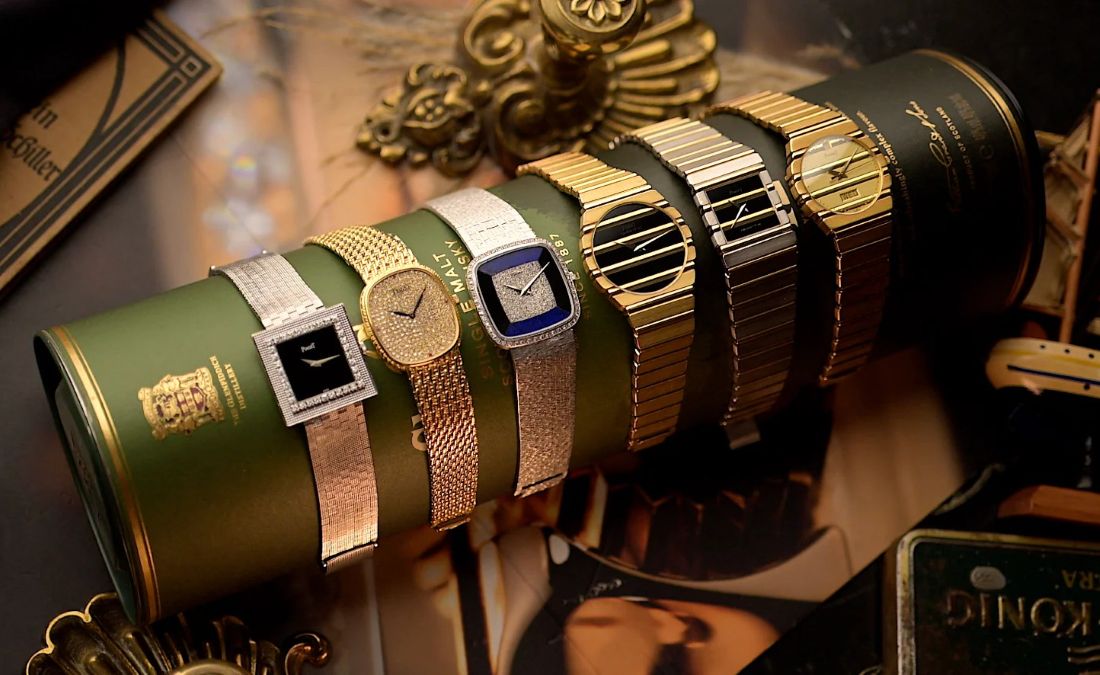
Piaget watches are distinguished by several unique characteristics.
Ultra-Thin Expertise
Piaget has consistently broken records in ultra-thin watchmaking. The brand’s engineering expertise enables movements to achieve remarkable slimness while maintaining reliability.
In-House Manufacturing
Every important component is produced internally, ensuring exceptional quality and consistency.
Artistic Craftsmanship
Piaget watches incorporate gem-setting, engraving, and decorative techniques rarely found elsewhere.
Precious Materials
The brand primarily uses:
- 18K white gold
- Rose gold
- Yellow gold
- Platinum
- Diamonds
- Exotic stones
Limited Production
Unlike mass-market brands, Piaget produces relatively small quantities, adding exclusivity to every piece.
Collectors often compare Piaget with Rolex, TAG Heure, and [Patek Philippe], though Piaget possesses a more artistic and jewelry-oriented identity.
Piaget’s Philosophy of Elegance
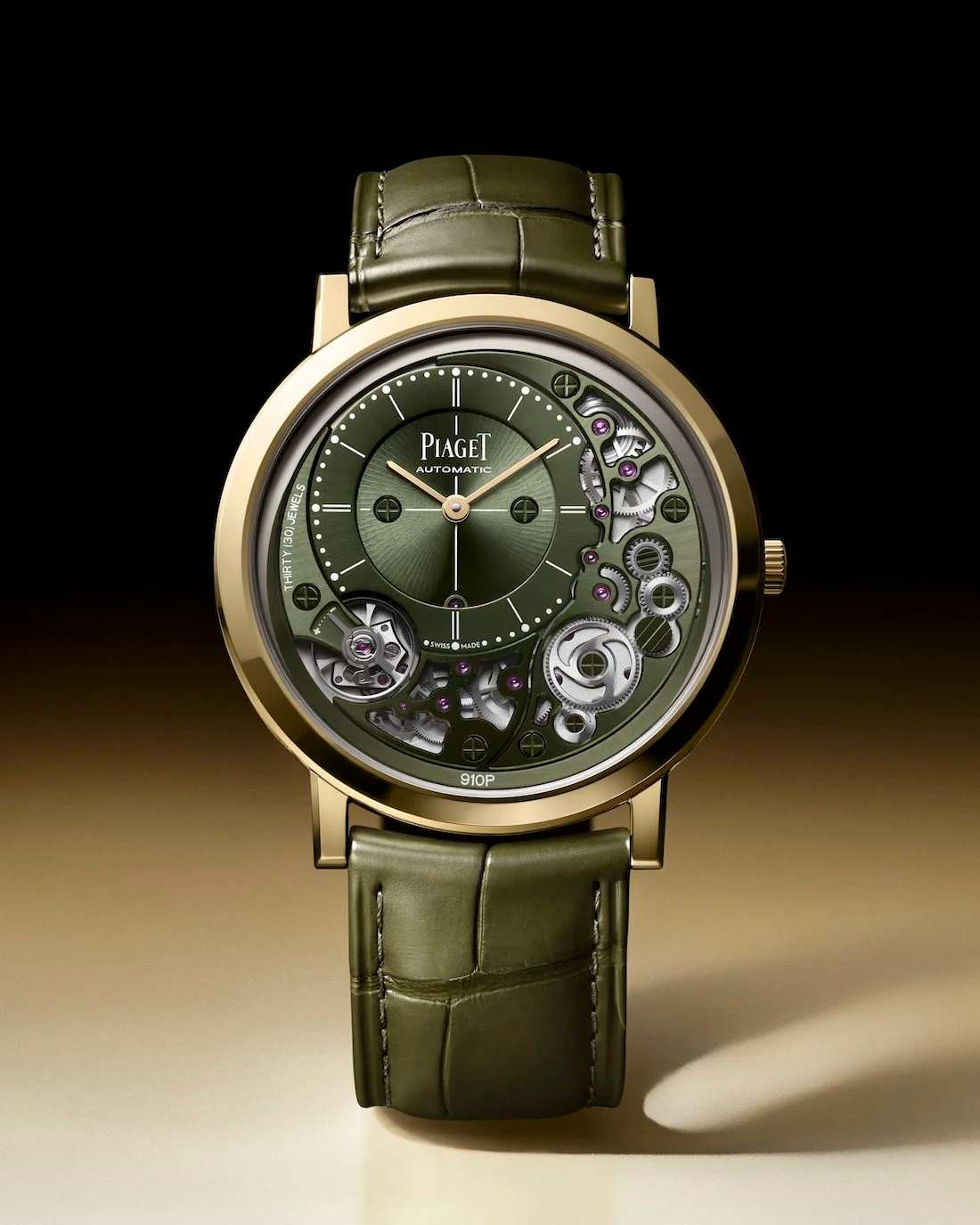
Piaget follows a simple philosophy:
“Always do better than necessary.”
This principle has guided the company for generations.
Excellence Without Compromise
Every movement receives extensive hand-finishing.
Timeless Beauty
Piaget avoids trends and emphasizes enduring elegance.
Innovation Through Tradition
Modern technologies coexist with centuries-old watchmaking skills.
Artistic Expression
Piaget watches often resemble jewelry masterpieces.
These values explain why Piaget occupies a unique place within Swiss haute horlogerie.
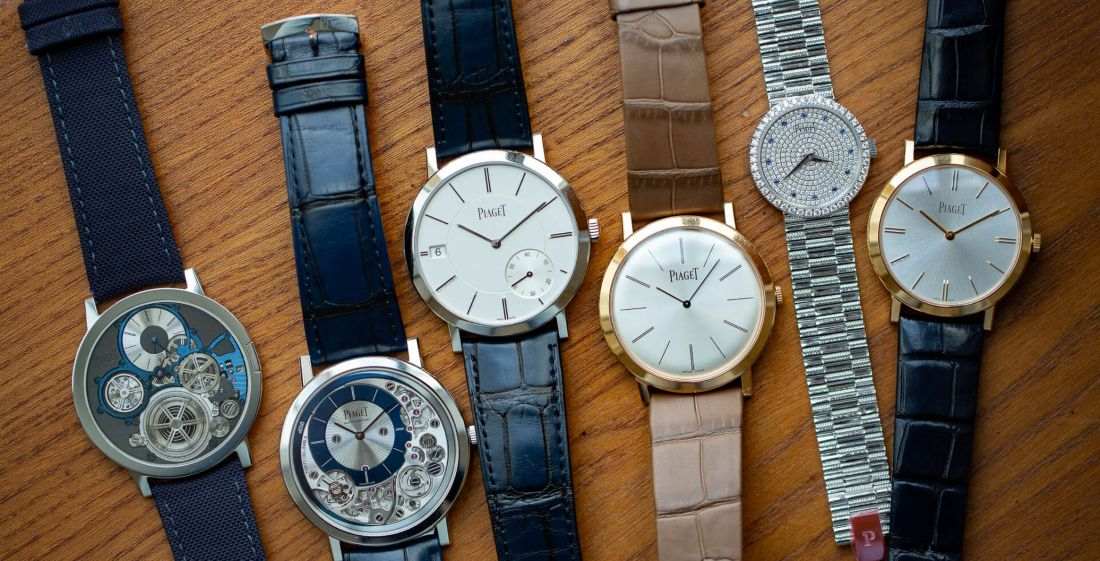
The Altiplano collection represents the essence of Piaget’s ultra-thin expertise.
Introduced in 1957, Altiplano watches feature minimalist aesthetics and extraordinary movements.
Elegant Dials
Simple and refined layouts enhance readability.
Slim Cases
Many models measure less than 7 mm thick.
Precious Metals
Most references use 18K gold or platinum.
Mechanical Excellence
Ultra-thin calibers demonstrate Piaget’s mastery.
The Altiplano Ultimate Concept even set records for the world’s thinnest mechanical watch.
Collectors seeking dress watches often compare Altiplano with models from [Vacheron Constantin] and [Patek Philippe].
Piaget Polo: Sport Meets Luxury
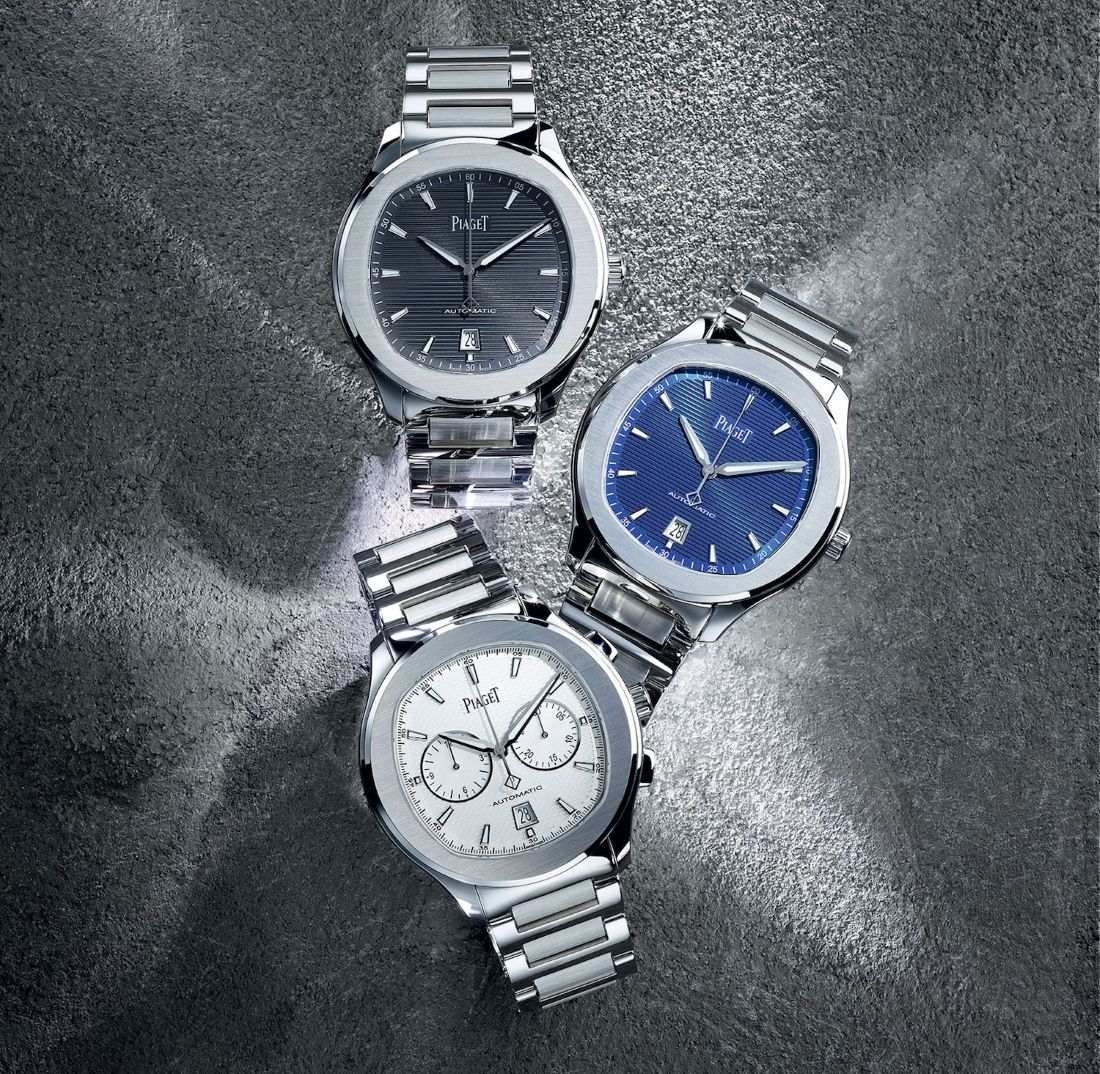
The Piaget Polo collection offers a contemporary interpretation of luxury sports watches.
Unlike traditional dress pieces, the Polo series combines:
- Steel cases
- Automatic movements
- Water resistance
- Integrated bracelets
- Open-work skeleton dials
Piaget Polo Skeleton models showcase remarkable engineering while maintaining sporty elegance.
This collection competes with luxury sports watches from Rolex and TAG Heure, appealing to younger collectors seeking versatility and refinement.
Piaget Limelight Gala Collection
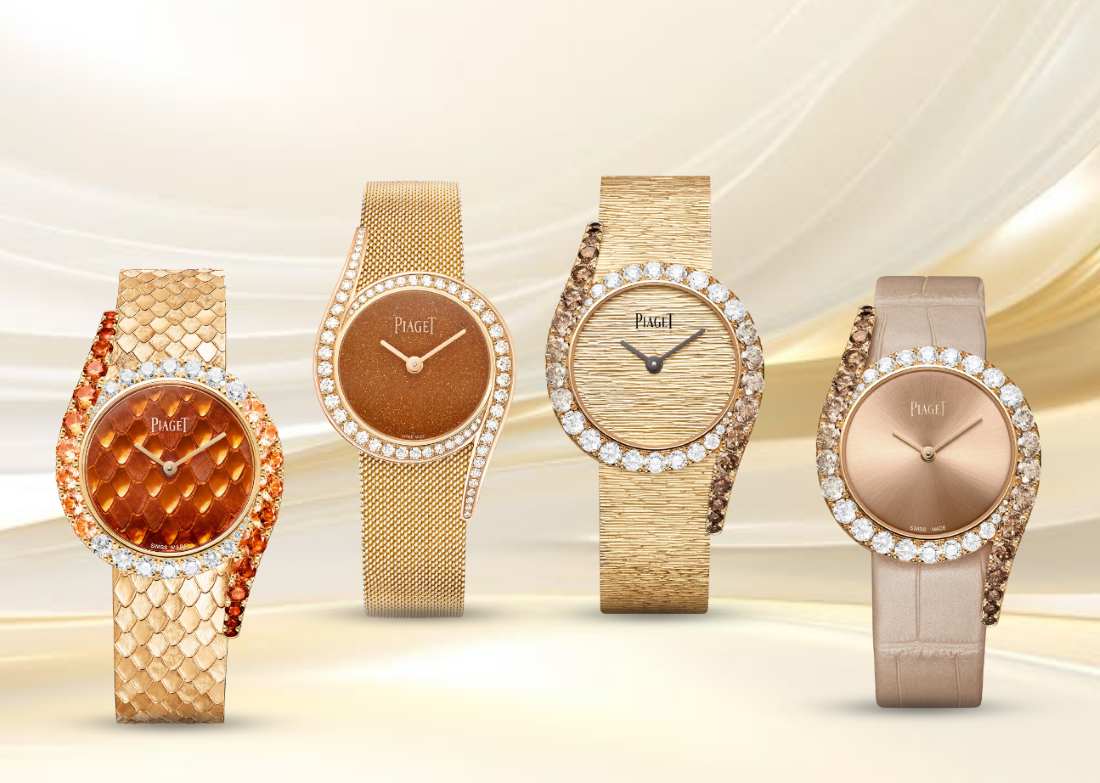
The Limelight Gala collection demonstrates Piaget’s expertise in jewelry watchmaking.
Features include:
Diamond Setting
Brilliant diamonds enhance luxurious appeal.
Asymmetrical Lugs
Distinctive case shapes provide elegance.
Precious Metals
Rose gold and white gold dominate the collection.
Feminine Sophistication
These watches are highly sought after by women who appreciate fine jewelry and haute horlogerie.
Limelight Gala pieces are often compared to creations from prestigious jewelry houses and represent some of the most beautiful ladies’ watches available.
Movements and Technical Innovation
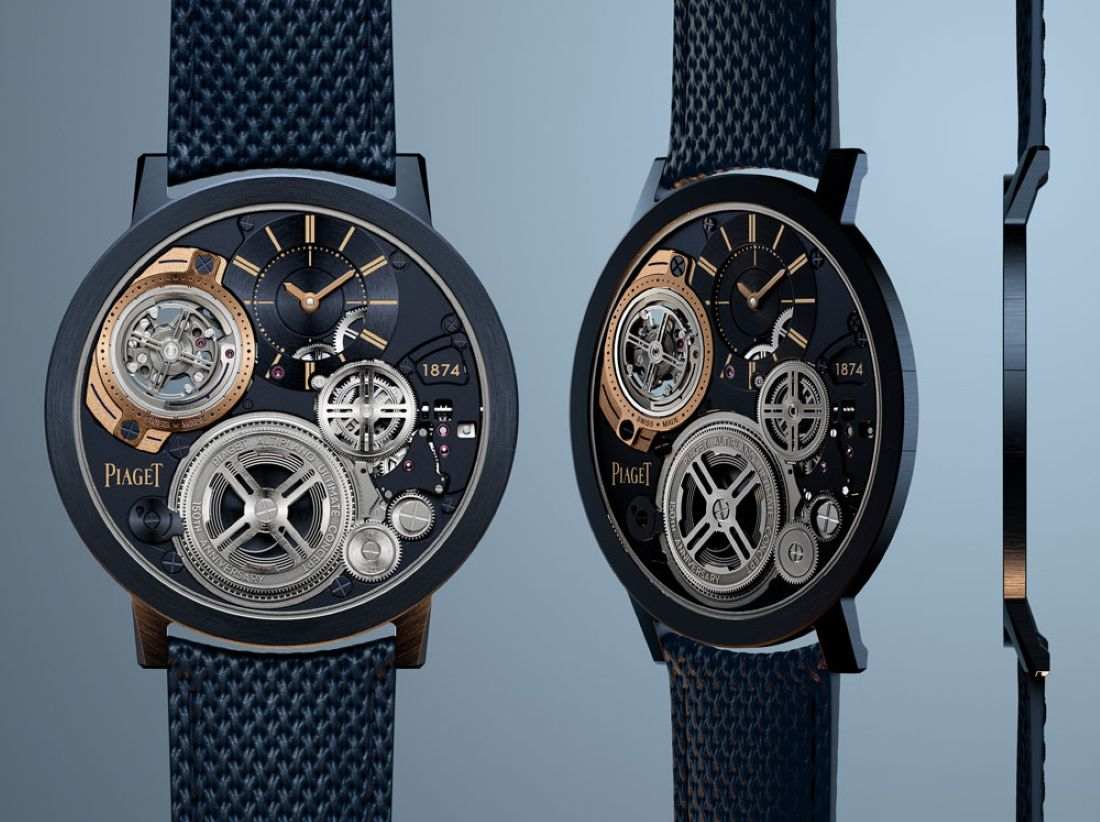
Piaget is among the few manufacturers producing fully integrated in-house calibers.
Important movements include:
Caliber 9P
Introduced in 1957 and famous for its slimness.
Caliber 12P
One of the world’s thinnest automatic movements.
1200P Movement
Modern automatic caliber with exceptional thinness.
Skeleton Movements
Combining artistic beauty with technical sophistication.
Piaget’s engineering achievements place the brand among elite manufacturers alongside [Patek Philippe] and [Vacheron Constantin].
Materials and Craftsmanship
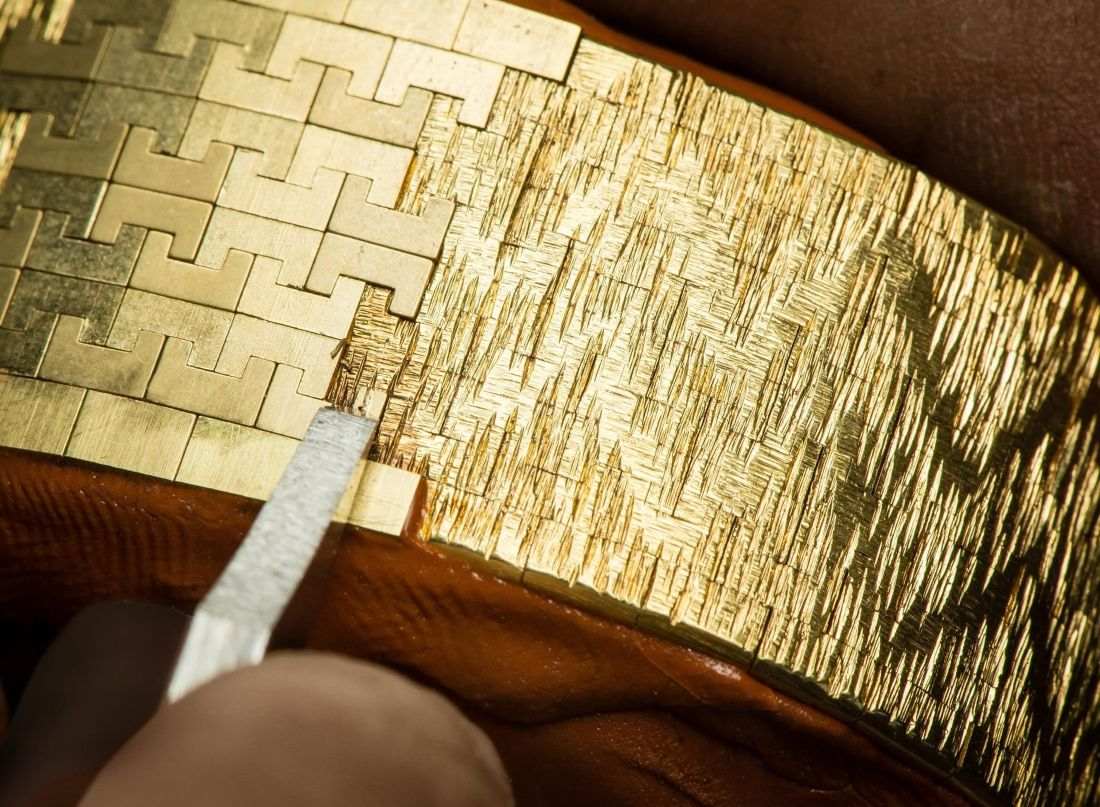
Piaget employs extraordinary craftsmanship.
Materials include:
- Platinum
- 18K rose gold
- White gold
- Diamonds
- Sapphire crystal
- Precious stones
Hand Finishing
Each component receives meticulous decoration.
Gem Setting
Expert jewelers spend countless hours placing diamonds.
Enameling and Engraving
Traditional techniques enhance artistic value.
This dedication elevates Piaget watches beyond simple instruments into collectible masterpieces.
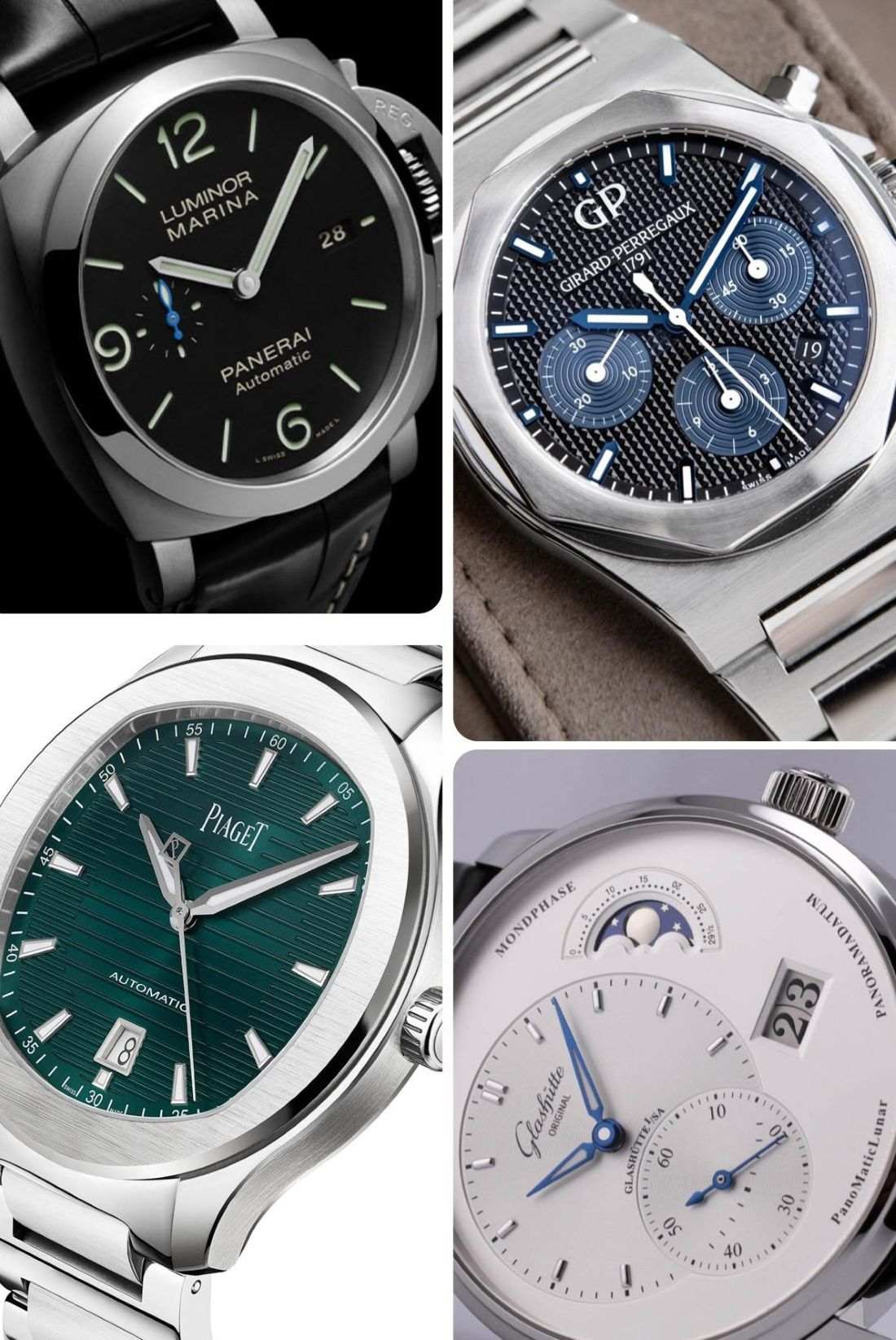
Piaget Compared with Other Watch Brands
| Brand | Identity |
|---|---|
| Rolex | Prestige and durability |
| TAG Heure | Performance and sport |
| Tissot | Affordable Swiss heritage |
| Seiko | Japanese innovation |
| Michael Kors | Fashion elegance |
| Armani Exchange | Contemporary style |
| Patek Philippe | Complicated masterpieces |
| Vacheron Constantin | Historic haute horlogerie |
| Piaget | Ultra-thin artistic luxury |
Piaget occupies a distinctive niche emphasizing elegance and creativity.
Investment Value of Piaget Watches
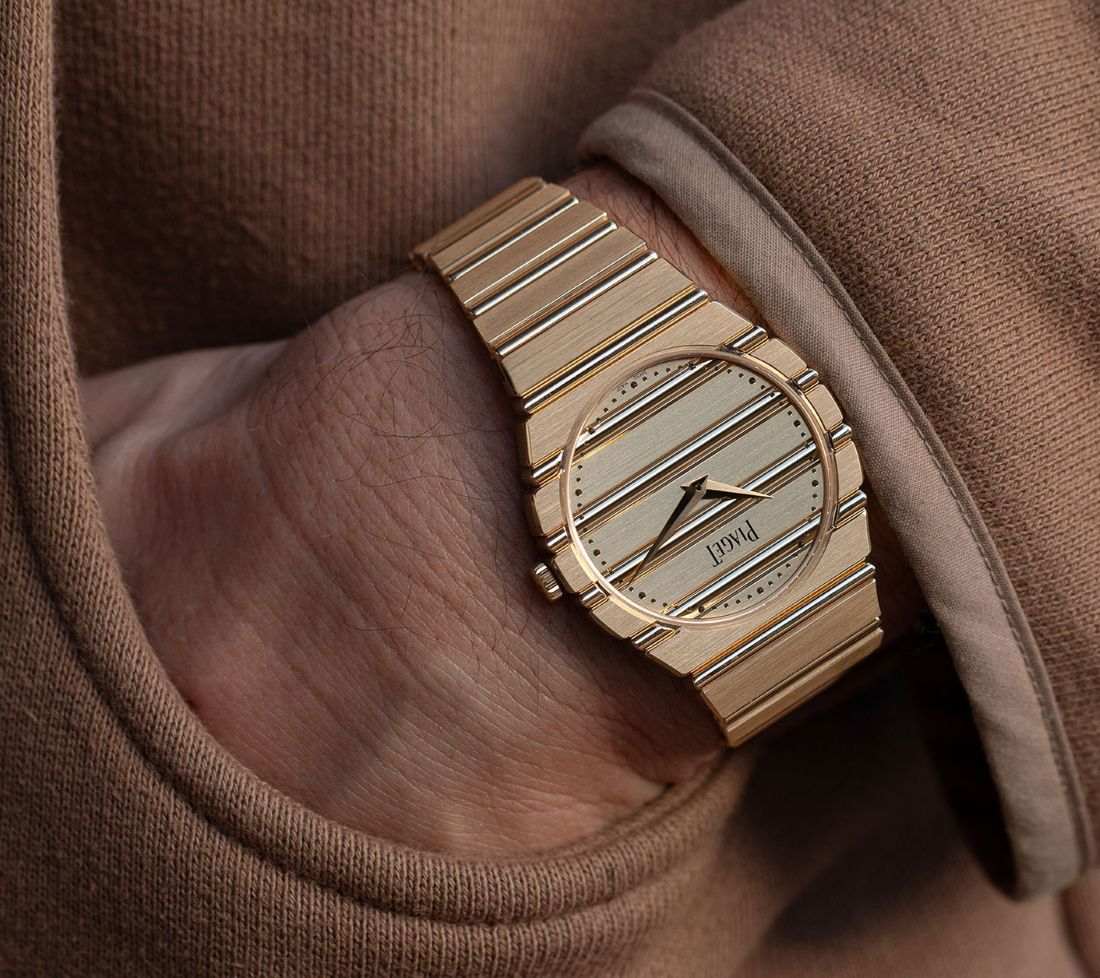
Piaget watches possess significant long-term appeal.
Factors contributing to their value include:
Limited Production
Exclusivity enhances collectability.
Exceptional Craftsmanship
Artistic finishing increases desirability.
Historical Importance
Piaget’s innovations are respected by collectors.
Precious Materials
Gold and diamonds add intrinsic value.
Rare references can appreciate over time, particularly limited editions and vintage models.
How to Maintain and Store Piaget Watches
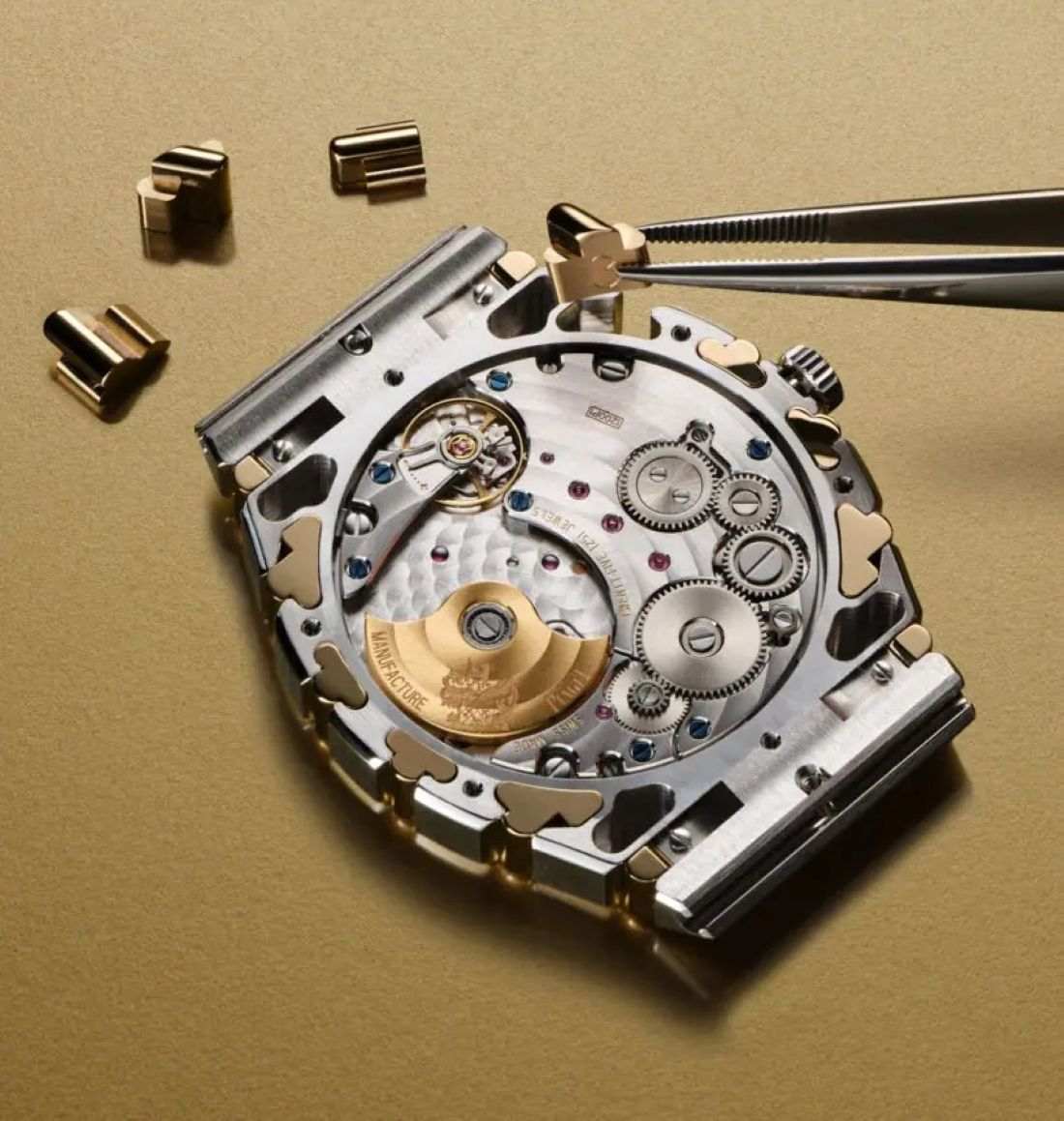
Luxury timepieces require proper care.
Regular Servicing
Mechanical movements should be serviced every 4–6 years.
Avoid Magnetic Fields
Strong magnets may affect precision.
Keep Away From Moisture
Water resistance should be checked periodically.
Use Premium watch winder
Collectors often employ watch winders to keep automatic movements running efficiently.
Store Properly
Original boxes and controlled environments preserve condition.
Proper maintenance ensures your Piaget watch remains beautiful for generations.
Why Piaget Continues to Define Luxury
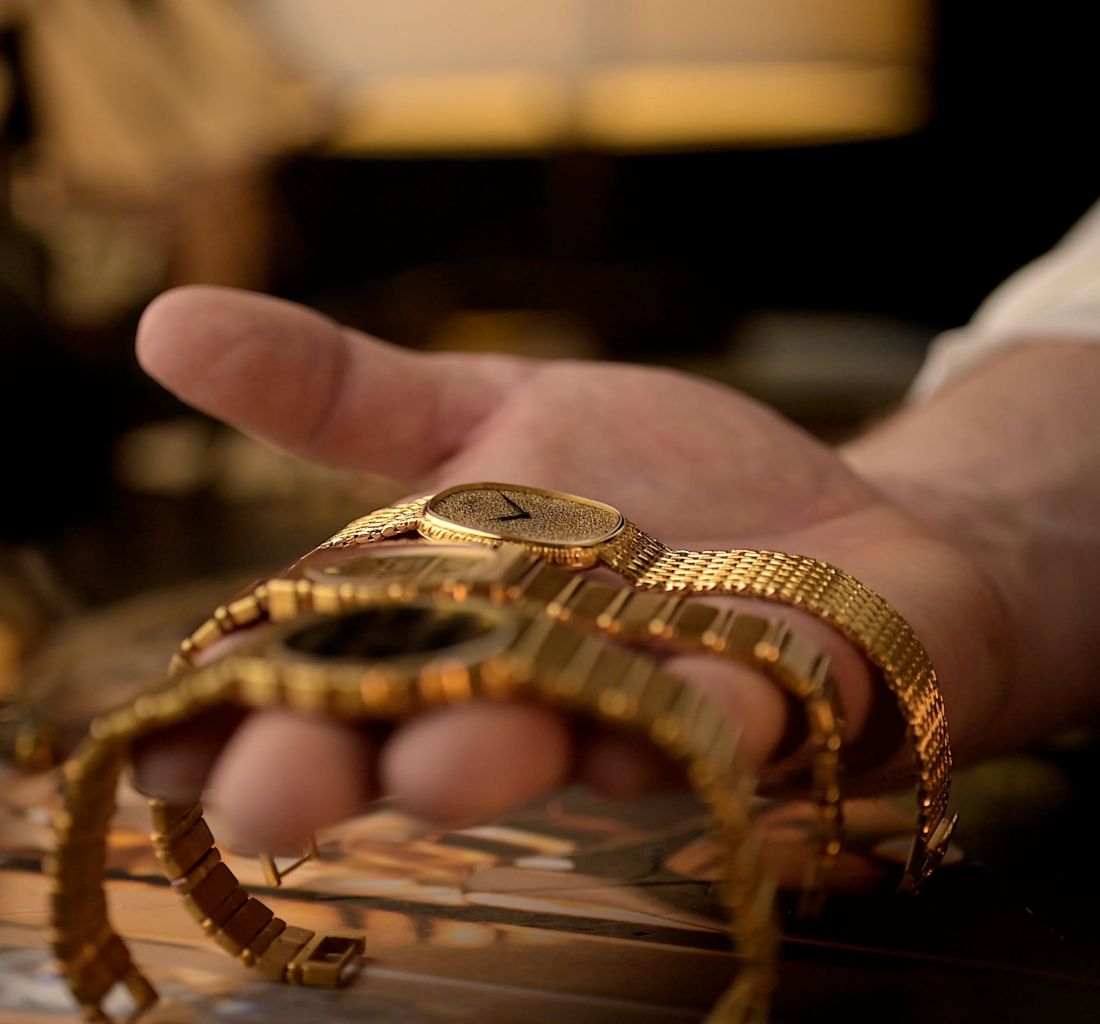
Few watchmakers combine elegance and technical excellence as successfully as Piaget.
The brand continues to attract collectors because of:
- In-house movements
- Ultra-thin expertise
- Artistic craftsmanship
- Precious materials
- Timeless designs
- Exclusivity
- Rich heritage
Piaget remains a symbol of refinement and sophistication.
For collectors interested in expanding their collections, prestigious brands such as Rolex, TAG Heure, Tissot, Seiko, [Patek Philippe], and [Vacheron Constantin] provide fascinating alternatives that complement Piaget’s philosophy.
Conclusion

For nearly 150 years, Piaget has represented the pinnacle of Swiss luxury watchmaking. Combining technical innovation, artistic beauty, and exceptional craftsmanship, the brand has earned a place among the world’s greatest watch manufacturers.
Whether through the ultra-thin elegance of the Altiplano, the sporty sophistication of the Polo, or the dazzling beauty of the Limelight Gala collection, Piaget continues to embody timeless excellence. For discerning collectors and enthusiasts seeking refinement and exclusivity, Piaget remains one of the finest names in haute horlogerie.