Gucci History – The Fascinating Journey of an Iconic Italian Brand
Introduction to Gucci History
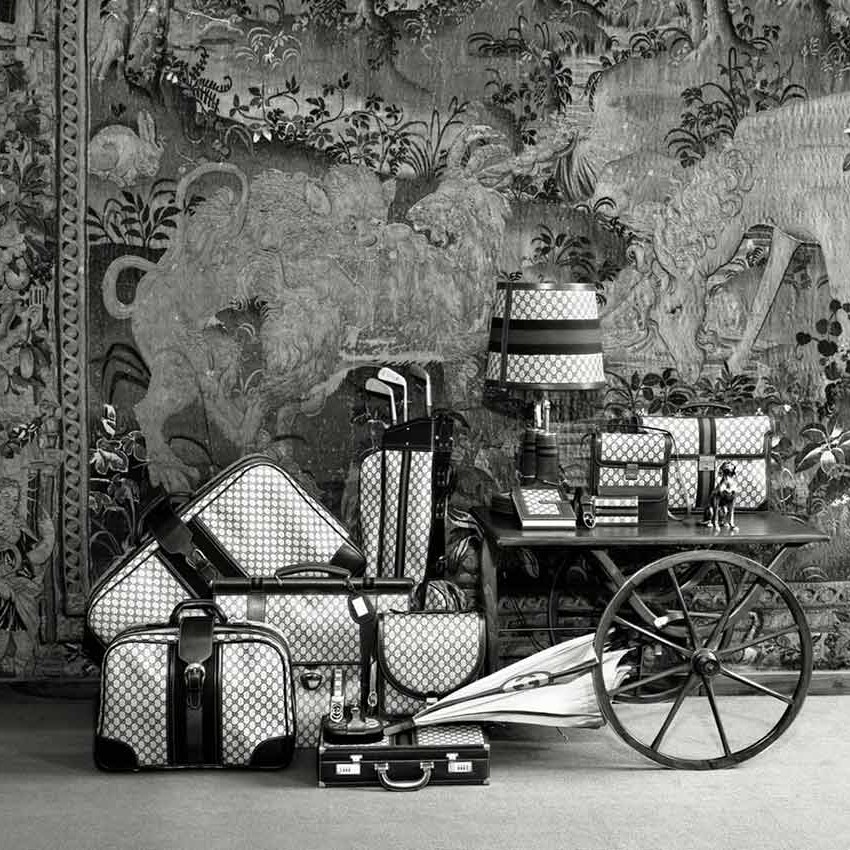
The Gucci history is one of the most remarkable success stories in the world of luxury fashion. Founded in 1921 in Florence, Italy, Gucci began as a small leather goods workshop and eventually evolved into one of the most influential luxury brands globally. Today, the brand is recognized worldwide for its exceptional craftsmanship, innovative designs, and timeless elegance.
Understanding the Gucci history provides valuable insight into how a small family business transformed into a global fashion empire. The journey reflects determination, creativity, and a deep respect for tradition. Over the decades, Gucci has navigated economic challenges, changing fashion trends, and internal transformations while maintaining its identity as a symbol of luxury.
From handmade leather luggage to modern high-fashion collections, the evolution of Gucci demonstrates the power of innovation combined with heritage. Each chapter of the Gucci history reveals milestones that shaped the brand into the global icon it is today.
The Early Years of Gucci History (1921–1939)
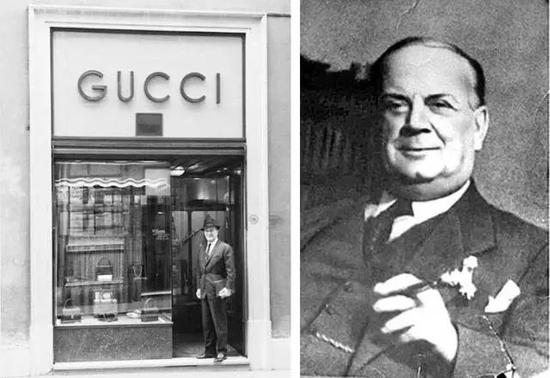
The Gucci history began with Guccio Gucci, an Italian entrepreneur who was inspired by luxury luggage while working at prestigious hotels in London and Paris. His exposure to elite travelers allowed him to observe the importance of high-quality travel accessories.
In 1921, Guccio returned to Florence and opened his first leather workshop. The company initially focused on producing travel goods such as suitcases, handbags, and saddles. These items quickly gained popularity due to their durability and elegant design.
During the early years of the Gucci history, the brand developed a strong reputation among wealthy travelers and equestrian enthusiasts. The use of premium leather and attention to detail helped establish Gucci as a respected name in luxury craftsmanship.
By the late 1930s, the company had expanded its product range to include handbags and accessories, setting the foundation for future growth.
Innovation During Wartime (1940–1950s)
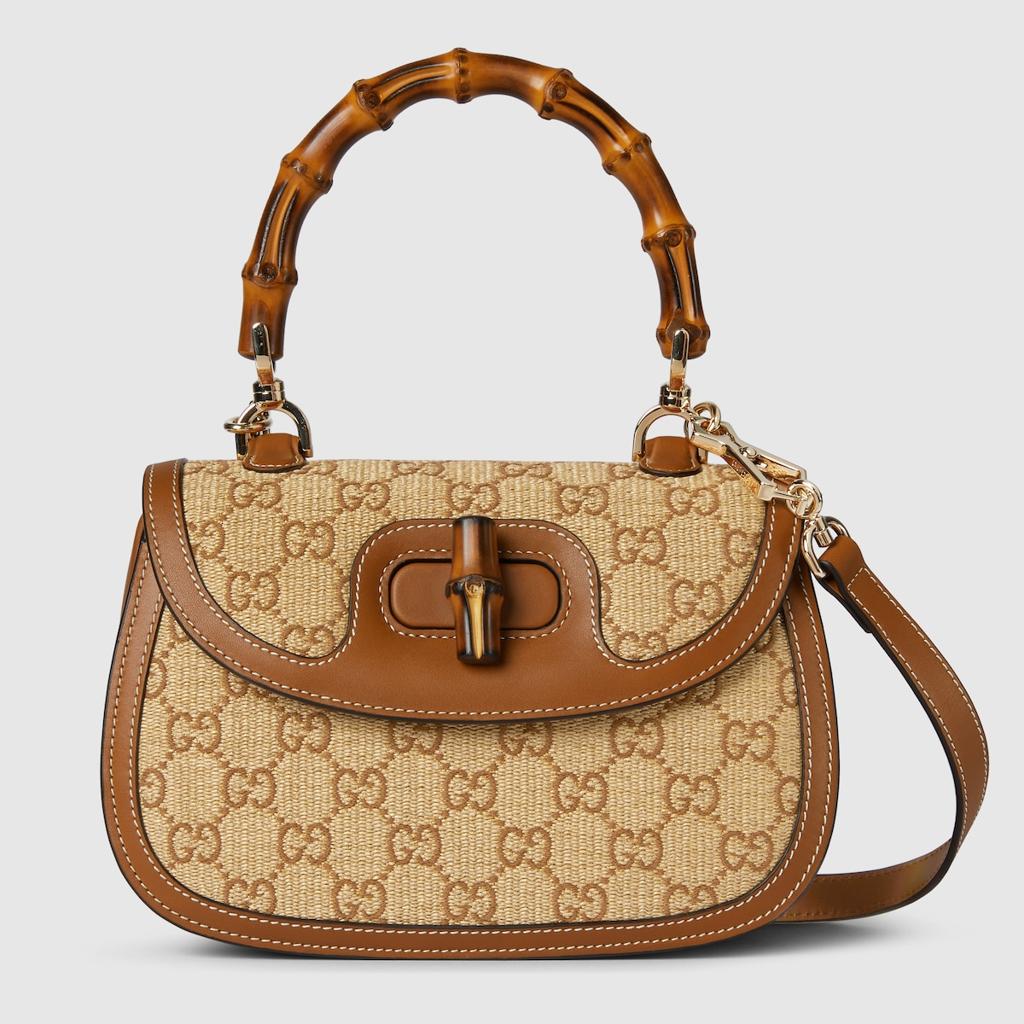
One of the most innovative chapters in the Gucci history occurred during World War II. Due to shortages of leather and other materials, Gucci was forced to experiment with alternative resources. This challenge led to the creation of some of the brand’s most iconic designs.
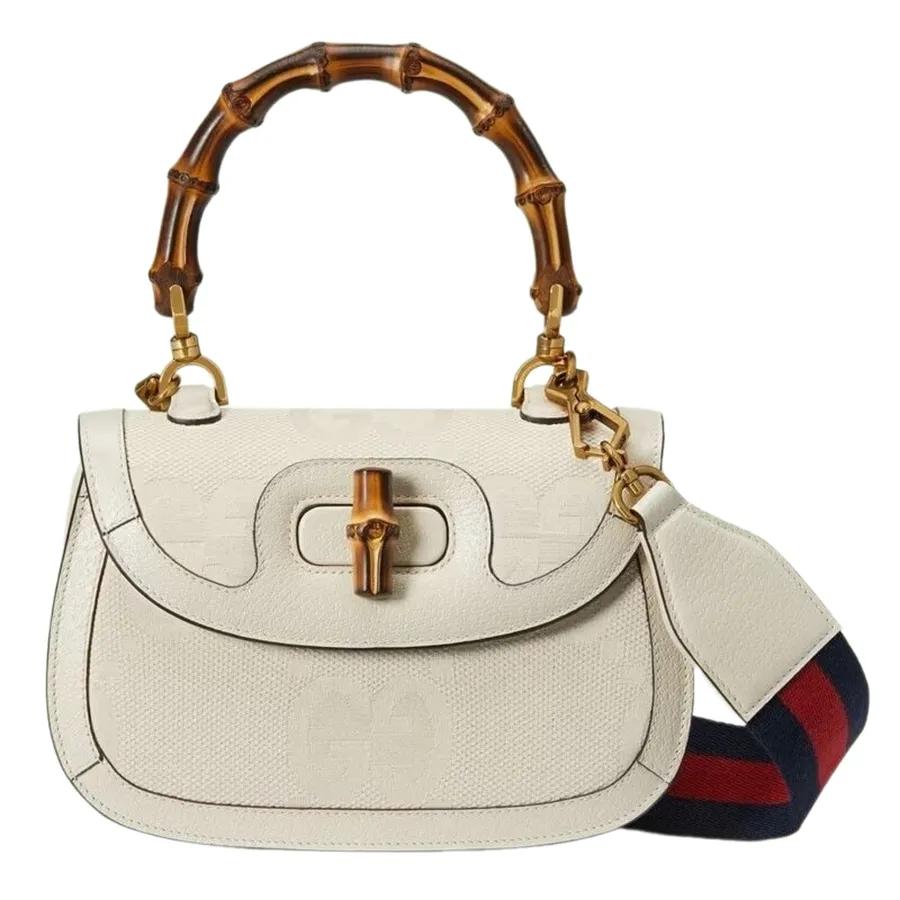
In 1947, Gucci introduced the famous bamboo-handle handbag, which became an instant success. The bamboo handle was lightweight, durable, and visually distinctive. Today, it remains one of the most recognizable symbols of the brand.
During the same period, Gucci developed the signature green-red-green web stripe, inspired by equestrian saddle straps. This design element became a lasting trademark that still appears in modern collections.
The post-war period marked significant expansion in the Gucci history, with increased demand from international customers.
Global Expansion and Hollywood Influence (1950s–1960s)

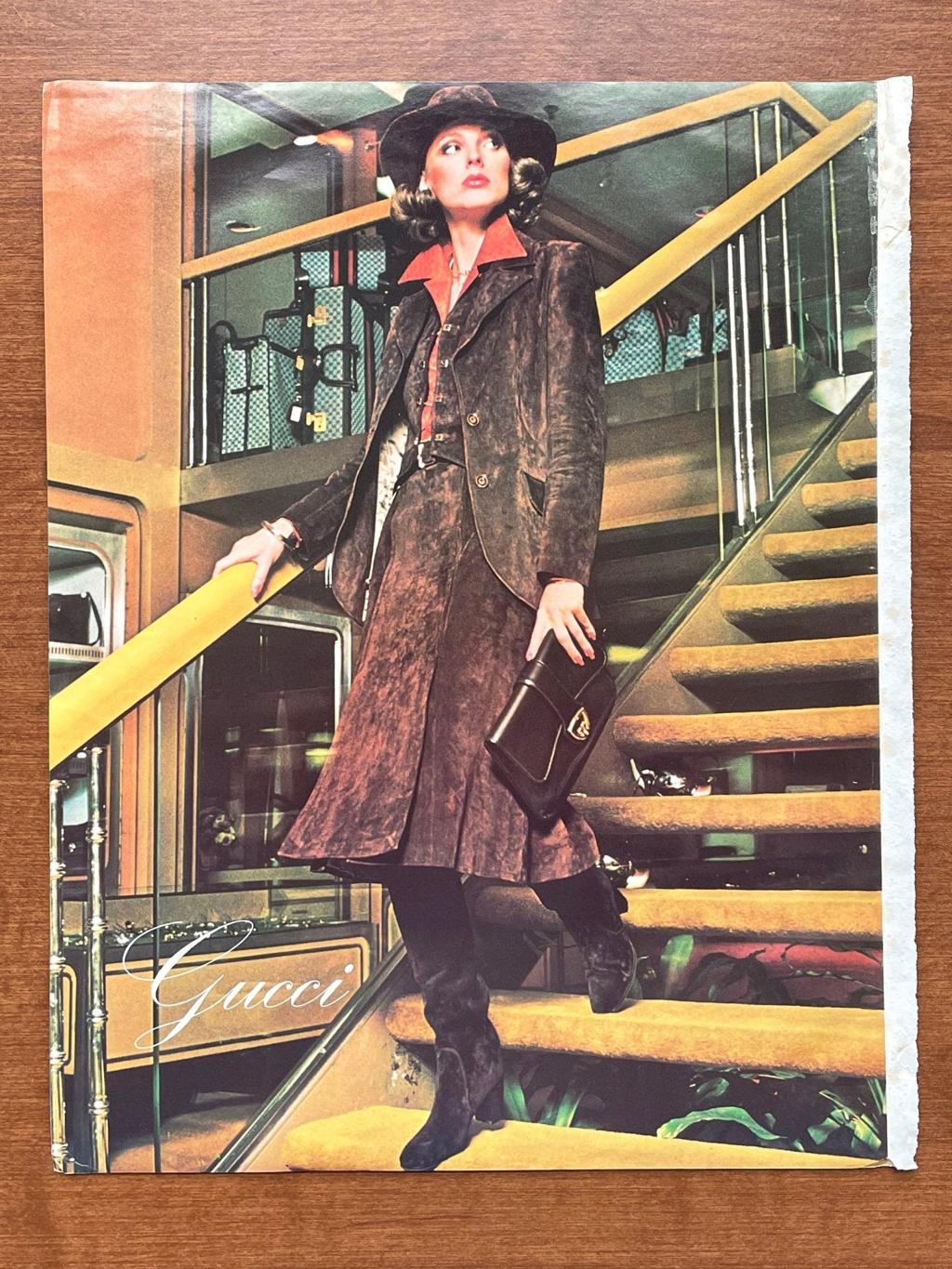
The 1950s and 1960s represent a golden era in the Gucci history. After Guccio Gucci’s passing in 1953, his sons expanded the business internationally. One of the most important milestones was the opening of the first Gucci store in New York City.
This expansion brought Gucci into the spotlight of Hollywood celebrities. Famous figures such as movie stars and political icons were often seen carrying Gucci handbags, boosting the brand’s reputation worldwide.
During this period, the Gucci Jackie bag, named after Jacqueline Kennedy, became one of the brand’s most iconic products. The association with celebrities reinforced Gucci’s image as a luxury symbol.
By the late 1960s, the double-G logo was introduced, representing the initials of Guccio Gucci. This logo quickly became one of the most recognizable symbols in fashion.
Challenges and Transformation in Gucci History (1970s–1980s)
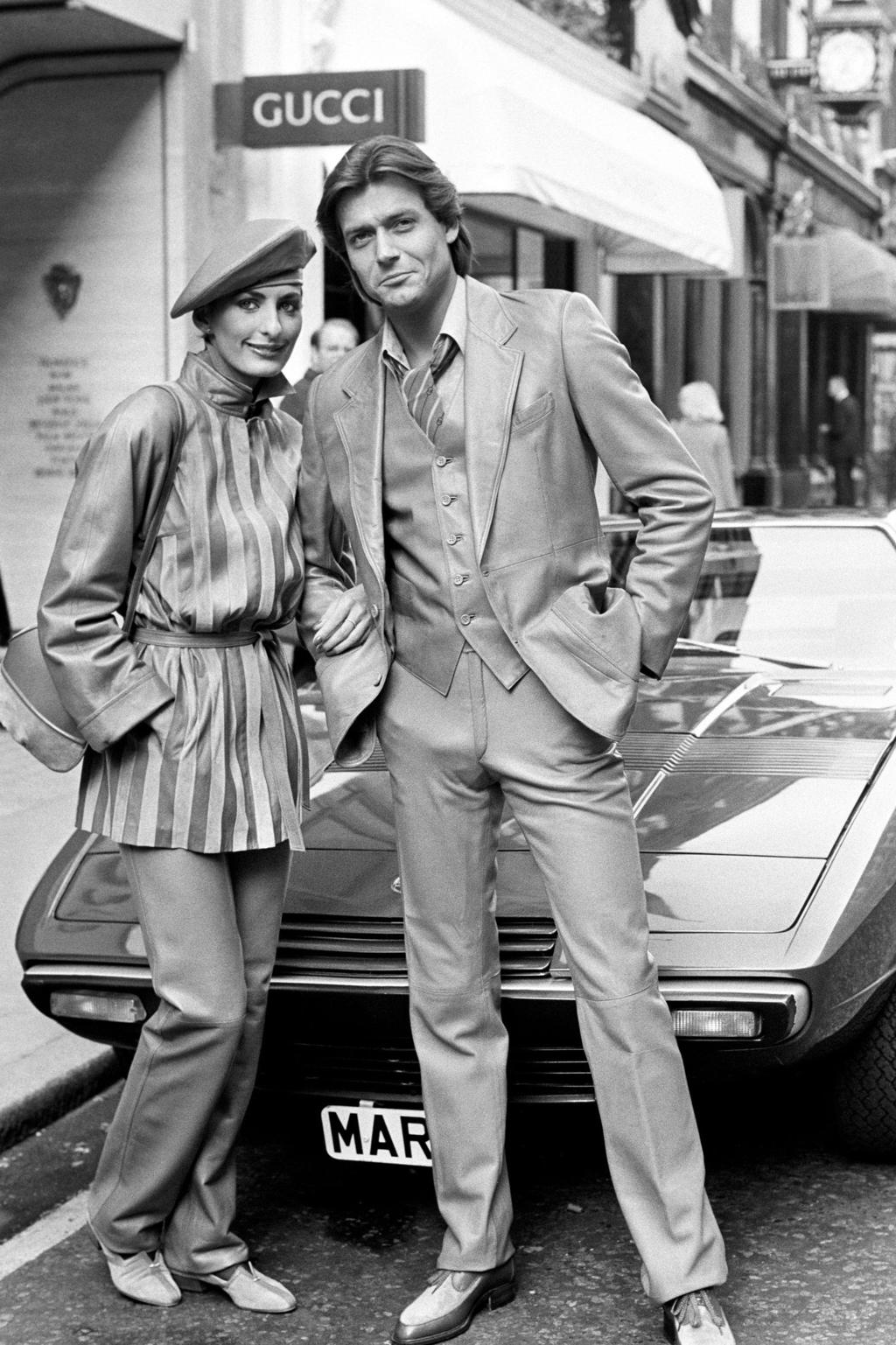
The 1970s and 1980s were challenging years in the Gucci history. While the brand continued to grow, internal family conflicts affected its stability. These disputes led to management struggles that impacted the company’s direction.
Despite these challenges, Gucci expanded into new product categories, including ready-to-wear clothing and luxury accessories. The introduction of monogrammed products helped strengthen brand recognition.
However, by the late 1980s, the brand’s reputation had weakened due to overexposure and inconsistent quality. This period marked one of the most difficult phases in the Gucci history, highlighting the importance of strong leadership and strategic planning.
The Gucci Revival Era (1990s)
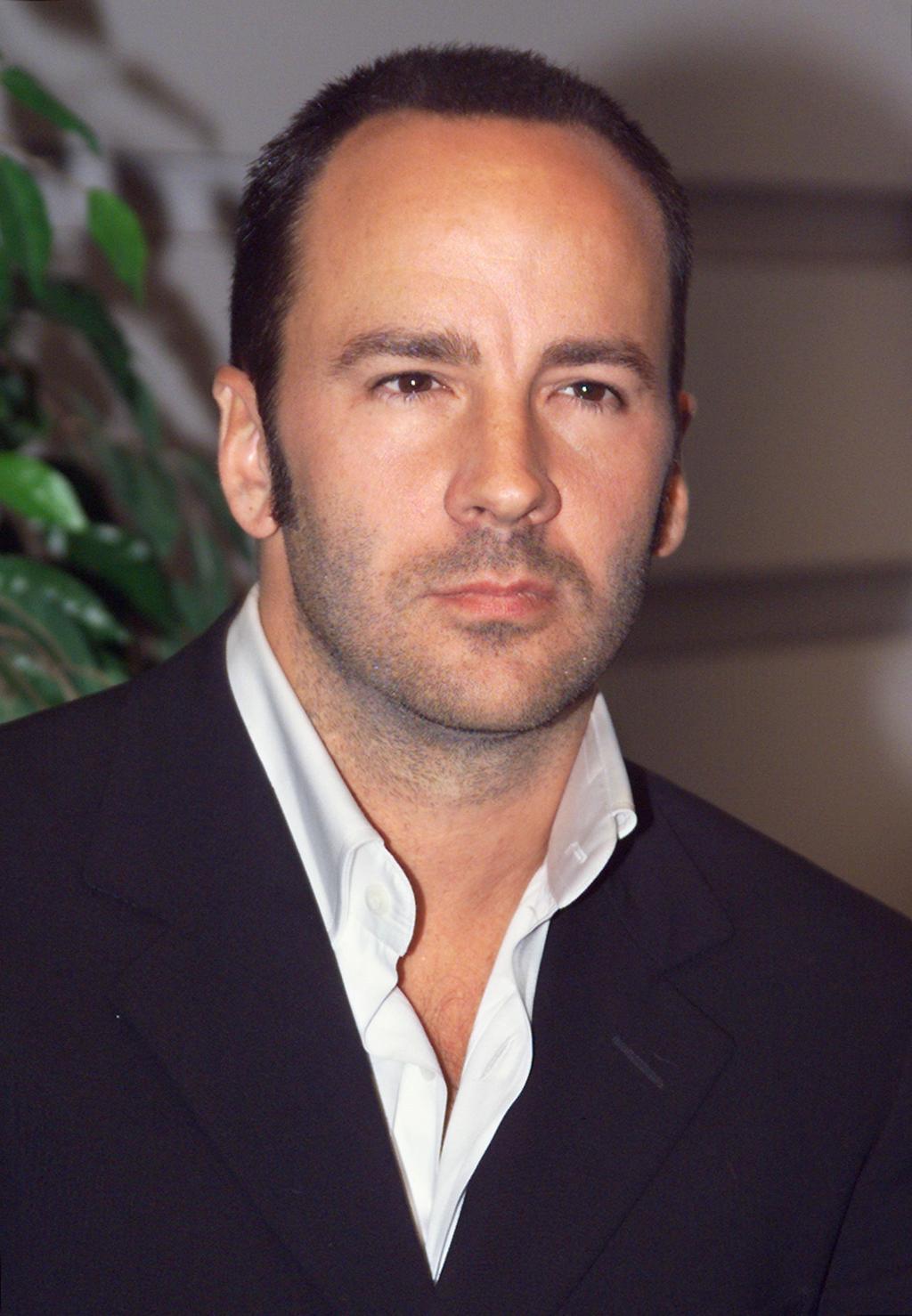

The 1990s marked a turning point in the Gucci history, thanks to the appointment of designer Tom Ford as Creative Director. His bold vision revitalized the brand and restored its reputation as a leader in luxury fashion.
Tom Ford introduced sleek, modern designs that appealed to younger audiences while maintaining Gucci’s heritage. His collections emphasized elegance, sensuality, and sophistication.
During this revival period, Gucci regained financial stability and global recognition. The brand’s innovative marketing campaigns and fashion shows captured international attention.
This era remains one of the most celebrated chapters in the Gucci history, demonstrating how creative leadership can transform a struggling brand into a global success.
Gucci in the Modern Era (2000s–2010s)
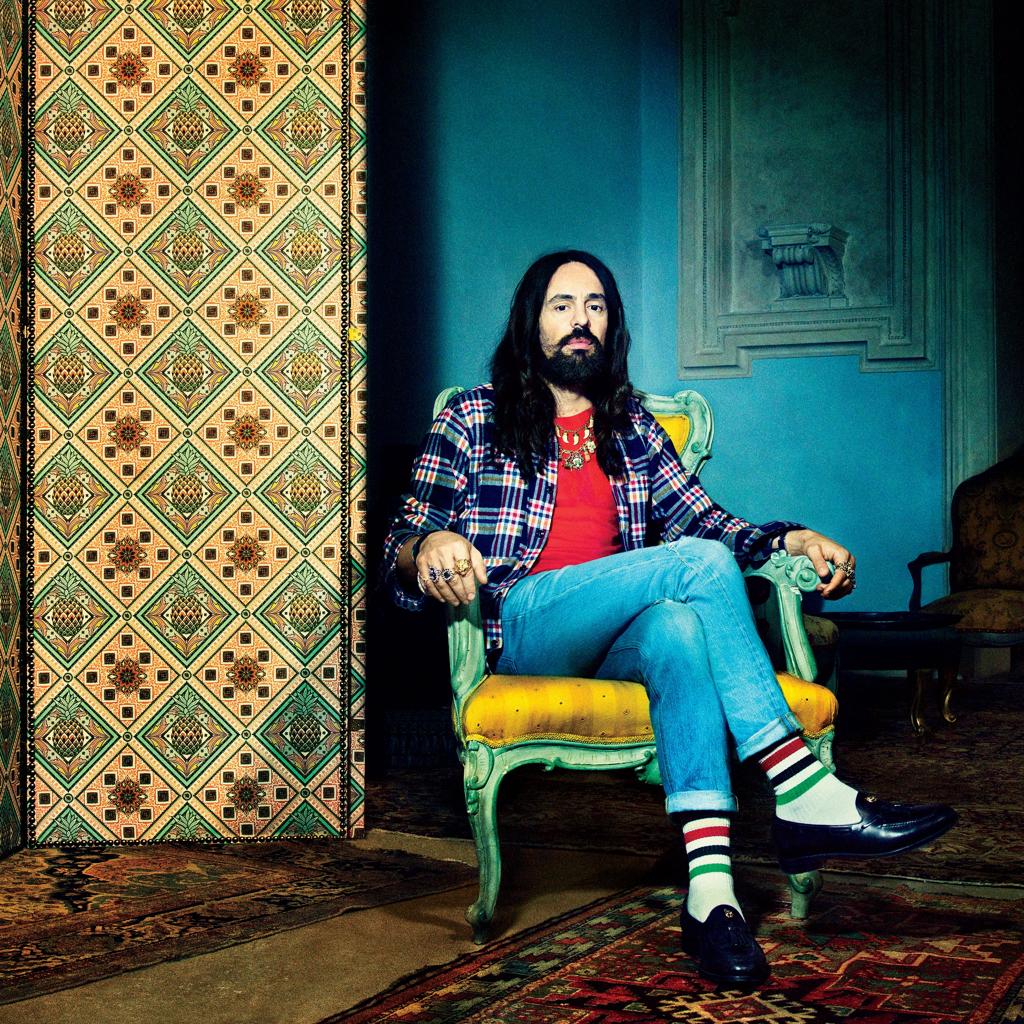

The early 2000s introduced a new chapter in the Gucci history, marked by modernization and global expansion. Gucci embraced new technologies, expanded its product lines, and strengthened its presence in international markets.
In 2015, Alessandro Michele became Creative Director and introduced a fresh aesthetic that blended vintage inspiration with contemporary creativity. His designs featured bold colors, intricate embroidery, and unique patterns.
Under his leadership, Gucci attracted a younger generation of fashion enthusiasts. The brand’s innovative collections and digital marketing strategies reinforced its global influence.
The modern era reflects Gucci’s ability to adapt to changing consumer preferences while preserving its heritage.
Gucci History in the Digital Age (2020–Present)
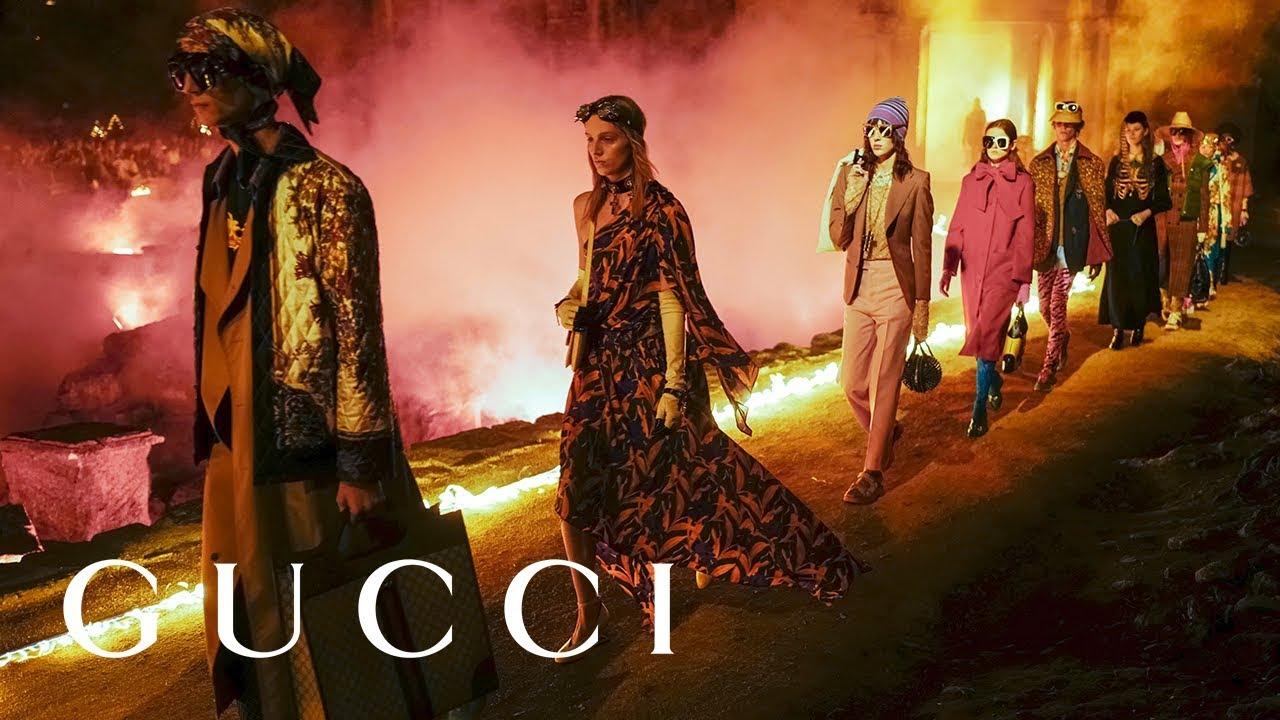

In recent years, the Gucci history has entered the digital age. The brand has embraced technology to enhance customer experiences and expand its global reach.
Gucci has introduced virtual fashion shows, online retail platforms, and digital marketing campaigns that engage audiences worldwide. These innovations reflect the evolving nature of luxury fashion.
Sustainability has also become a major focus. Gucci has committed to reducing environmental impact through responsible sourcing and eco-friendly production methods.
This modern chapter of the Gucci history highlights the brand’s commitment to innovation, sustainability, and long-term growth.
Key Milestones in Gucci History
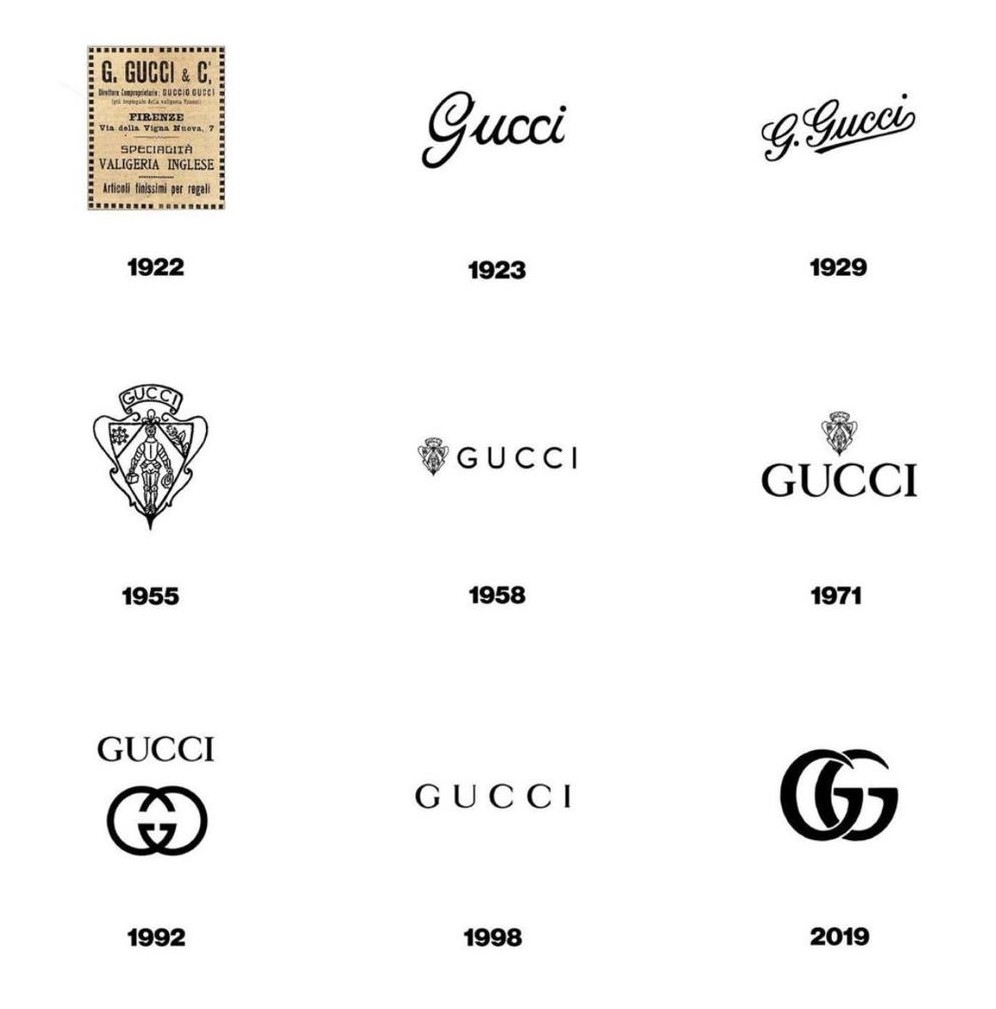
Throughout the Gucci history, several milestones have defined the brand’s success:
- 1921: Gucci founded in Florence, Italy
- 1947: Introduction of the Bamboo bag
- 1953: Expansion into the United States
- 1960s: Launch of the double-G logo
- 1990s: Brand revival under Tom Ford
- 2015: Creative transformation under Alessandro Michele
- 2020s: Digital innovation and sustainability initiatives
These milestones demonstrate how Gucci continuously evolves while maintaining its identity.
Conclusion – The Legacy of Gucci History
The Gucci history is a testament to resilience, creativity, and visionary leadership. From a small leather workshop in Florence to a global luxury empire, Gucci’s journey reflects the power of craftsmanship and innovation.
Each era of the Gucci history contributed to shaping the brand’s identity. From wartime innovations to modern digital transformation, Gucci has consistently adapted to new challenges while preserving its heritage.
Today, Gucci remains one of the most influential luxury brands in the world. Its rich legacy continues to inspire designers, fashion enthusiasts, and collectors globally.
For anyone interested in luxury fashion, exploring the Gucci history provides valuable insight into how tradition and innovation can create timeless success.